

As a psychotherapist, I primarily utilise the cognitive-behavioural approach. This method is one of the most popular, effective, and scientifically validated forms of therapy for treating various mental disorders. CBT is considered a short-term therapy, featuring a clearly defined structure and timeframe, and it specifically aims to achieve particular goals.
Understanding the mechanism of action in CBT
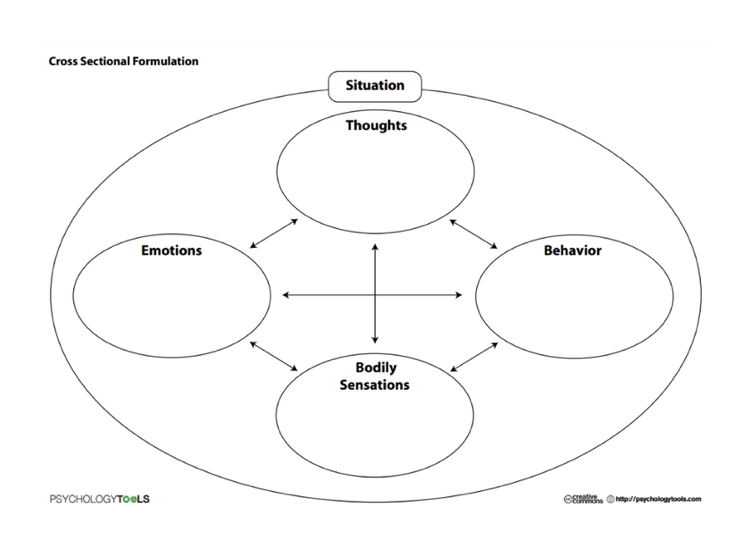
Cognitive-behavioural therapy (CBT) is a highly adaptable approach that recognizes the complex interaction of our thoughts, emotions, physiological reactions, behaviours and the environment. Changing one of these elements can lead to a significant improvement in mental health. By adjusting our interpretation of situations or discarding harmful beliefs, we can influence our emotions and behaviour. Similarly, by modifying our behaviour, we can influence our thoughts, beliefs, and overall well-being.
Therefore, CBT therapy aims to alter thinking patterns, modify behaviours, cultivate positive habits, manage challenging situations, and enhance the quality of life for the individual in distress.
Therapist-Client Relationship
In cognitive-behavioural therapy, close cooperation with the therapist is essential. A successful therapeutic partnership involves both parties, who share responsibility for the therapy process. The therapist is viewed as an expert in understanding the mechanisms behind various disorders, the functioning of the mind, and the methods and models of therapy. Meanwhile, the client is the expert on their own life, emotions, and challenges. Combining these two areas of expertise is crucial for achieving positive outcomes in therapy.
Case conceptualisation in CBT
During the session, the client and therapist create a shared understanding of the problem called conceptualisation. This includes information about current difficulties, data from the diagnosis of the most important experiences from the past, resources, key beliefs of the client about themselves, the world, and other people, and ways of coping with difficulties. Conceptualisation acknowledges the central role of the client’s beliefs, helping them understand the nature of the problem and the causes and effects of the experienced challenges and justifying the use of chosen techniques and therapeutic interventions.